Ohio House of Representatives – 63rd District
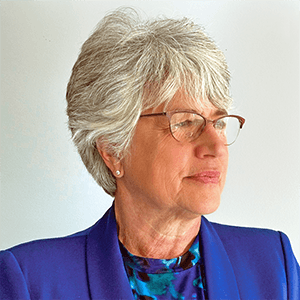
Debbie Davidson
Party: Democrat
Biography:
I'm a proud product of Ohio schools; I grew up in Reading, transferred to OSU my junior year, and hold a BS in Social Work and an MPA from the John Glenn School of Public Policy. I've worked in both the non-profit and governmental sector the majority of my life. After graduate school, I was a Medicaid program planner, assistant to a director at UC Medical Center, FCC regulatory analyst at CBT/Altafiber, and consulted with nonprofits as a principal of NonProfit Network. After my husband returned from Iraq and was assigned to Fort Belvoir, I spent 12 years in Northern VA, working for an education association, an environmental group, the United States Holocaust Memorial Museum and the Smithsonians.
Why are you seeking this office, and what motivates you to serve at this time?
I grew up in Reading, went to college in a small town my first two years of college (EKU) and I believe that we have done a disservice to rural communities in Ohio by focusing policies and dollars/resources on population centers; I can’t sit by anymore, watching Ohio policies and politicians take money away from small town residents and businesses. I’m motivated by a vision for towns like Batavia and Felicity and my neighbors and local business owners who make it great.
What professional or personal experiences best prepare you to understand the needs of small businesses and employers in Clermont County?
I've made a career out of wrestling with government systems. I’ve worked with Medicaid programs, FCC regulations, and public services like hospitals, museums and education. I get how these systems work and how to use them to benefit, not restrict, small towns/business growth. I've worked on development policy in Batavia Township to help find an appropriate balance between development and preserving the semi-rural character of the community; I'm also volunteering at the local food bank to understand the challenges of rural residents.
What are your top three policy priorities if elected, and what impact do you expect those policies to have on our region?
Address rising property taxes, make deals with developers who will share the tax burden, not increase it and finally, invest in rural communities, all while fairly balancing large and small business considerations. I'm prepared to propose a pool of money be designated for small rural towns to streetscape and refresh business frontages, making main street more inviting and walkable to attract local residents and promote tourism using the rich local history in this area to create more opportunity for growth.
What do you see as the most significant economic challenges facing Clermont County over the next four years, and how should government respond?
Clermont County is experiencing growing pains from the influx of people leaving areas that have become more urbanized. High property taxes are pricing people out of their homes and businesses. Uncontrolled development raises taxes higher. The answer isn’t more spending. It’s smarter spending at all levels of government putting more money back into your pocket. Infrastructure is one of my highest priorities; we need to spend more on roads, sewers and bridges to underpin all future development initiatives.
How will you engage with the business community to ensure that taxes, fees, regulatory structures, and public services support long-term economic growth?
I’ll always keep local businesses first by talking and working with business owners. I’ll host town halls, work with the Chamber, and visit your businesses (yesterday I stopped at Sons of Toil and I plan to check out Wild Pop this week). You’re the lifeblood of our local economy and government should be supporting you, not strangling you. The damage done to farmers by tariffs and higher gas/fertilizer/feed prices will be top of mind!
Public trust and collaboration are essential in governing. How would you work with colleagues — including those with differing viewpoints — to advance meaningful policy solutions?
I’ll work with any colleague who wants to support and grow our local economy. I worked to help Clear Mountain Energy become a reality by researching and testifying on agrovoltaics (a way to mix agricultural use with solar technology) to allay fears about farmland being taken out of the land use mix. I've also been very engaged in the process of developing new zoning regulations for Batavia Township, which required significant amounts of give and take between the administration and citizens.
What state-level reforms do you believe are necessary to improve Ohio’s business climate?
While municipalities have significant autonomy, they must often navigate comprehensive state regulatory and legislative actions that can override local ordinances. One example? The Ohio Senate has proposed several bills eliminating tax breaks for data centers, requiring developers cover the cost of new infrastructure, and imposing environmental safeguards. This ensures data centers don't go municipality shopping for the highest tax abatements that shortchange local communities and impose externalities like noise pollution and aquifer depletion on their residents.
If voters approve the elimination of property taxes, what specific steps would you take in the General Assembly to address the resulting impact on funding for local governments, schools, and essential public services?
The GOP has cut state funding for local schools since 2005. That means you make up the difference in higher local taxes. If voters approve the elimination of property taxes, then it’s time to look at the state lottery proceeds that were pledged to fund public schools. I think we should re-examine where these dollars are going. Beyond that, push for smarter taxing methods. Property tax punishes you for investing in your land because improvements to it increase your tax liability. If we go by land value instead, you’re rewarded for efficient land use and development since you’re not penalized for building or improving structures.
How do you balance state mandates with local control when it comes to economic development and regulatory policy?
Here's a good example: SB 219. Originating in the Senate Energy Committee, whose chair has a past career in the fracking industry, this bill would greatly speed up every stage in the approval process for fracking Ohio public lands (think our beautiful state and county parks) while greatly curtailing oversight by Ohio Department of Natural Resources. It contains a number of provisions already vetoed by Governor DeWine and eliminates requirements for road use agreements with local governments to obtain a heavy hauling permit, even if truck loads exceed legal limits. So not only will they tear up our public lands but also our roads while doing it! We need to transition to clean energy and bills like this are not helping.