
Clermont County Commissioner
Biography:
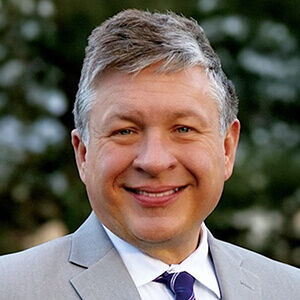
I’m Joe Wessels, a longtime communicator, public servant and candidate for Clermont County commissioner. I currently work in media relations for a large public school district, partnering with local, regional and national media to communicate clearly and accurately with the public.
I spent more than a decade as a professional journalist, including reporting roles covering local government, business and community issues. My work has been recognized for its accuracy, fairness and commitment to the public.
I live in Loveland with my family and have deep roots in this region. I’ve stayed actively involved in the community through local reporting, public engagement and volunteer work.
I’m running for county commissioner to bring transparency, fiscal discipline and a common-sense approach to growth and decision-making, with a focus on serving residents and protecting taxpayers.
Why are you seeking this office, and what motivates you to serve at this time?
I’m seeking this office because I believe county government should work for the people who live here, not just maintain the status quo.
Clermont County is growing, and that growth needs to be managed responsibly. I see an opportunity to bring a clear, common-sense approach to decision-making that balances smart development with protecting taxpayers and preserving what people value about their communities.
My background has always been rooted in accountability and communication. I’ve spent my career asking questions, explaining complex issues and helping the public understand how decisions are made. That perspective matters right now. Residents deserve transparency, honesty and leadership that is willing to engage directly with the community.
What motivates me is simple. This is where my family lives. I care about what happens here, and I want to make sure decisions are made with the long-term interests of residents in mind, not just short-term gains or a narrow set of priorities.
What professional or personal experiences best prepare you to understand the needs of small businesses and employers in Clermont County?
I understand the needs of small businesses and employers because I’ve worked both independently and inside organizations where results matter.
I’ve run my own communications business as a sole proprietor, working directly with clients to help them grow, manage challenges and connect with their customers. That experience gave me a clear understanding of what it takes to generate revenue, manage expenses and stay competitive without a safety net.
Earlier in my career, I also helped grow a business as part of a leadership team, managing operations, supporting expansion into new markets and focusing on efficiency and performance. I’ve worked closely with business leaders, nonprofits and public agencies, helping them communicate clearly and build trust with the public.
Across all of these roles, I’ve seen how important it is for government to be predictable, transparent and easy to work with. Businesses need a partner that understands their challenges and respects their time and resources.
What are your top three policy priorities if elected, and what impact do you expect those policies to have on our region?
First, responsible growth. Clermont County is growing, and we need to manage that growth in a way that supports economic development while protecting existing communities. That means investing in infrastructure, making smart land-use decisions and ensuring development is aligned with long-term community needs. Done right, this creates a strong environment for businesses to expand and invest with confidence.
Second, fiscal discipline. Taxpayers and businesses need stability. I will focus on careful budgeting, evaluating incentives and abatements to ensure they deliver real value and avoiding unnecessary tax burdens. The goal is to support growth without putting pressure on residents or employers through higher costs.
Third, transparency and predictability. Businesses make decisions based on certainty. I want county government to be clear, consistent and easy to work with. That includes open communication, straightforward processes and making sure stakeholders understand how and why decisions are made.
The impact of these priorities is a county that is easier to do business in, more attractive to investment and better positioned for long-term success.
What do you see as the most significant economic challenges facing Clermont County over the next four years, and how should government respond?
The most significant challenges I see are managing rapid growth, maintaining affordability and ensuring our infrastructure keeps pace with economic development.
Clermont County is growing, and that’s a positive. But if growth outpaces planning, it can strain roads, utilities and public services, and create uncertainty for businesses trying to invest or expand. At the same time, rising property taxes and costs can make it harder for both employers and employees to stay and grow here.
Workforce is also part of this. Employers need access to a reliable, skilled workforce, and that depends on housing, transportation and quality of life all working together.
Government’s role is to stay disciplined and focused. That means planning ahead for infrastructure, being thoughtful and consistent with development decisions and making sure incentives or abatements deliver real, measurable value. It also means keeping government predictable and easy to work with so businesses can make decisions with confidence.
If we get those fundamentals right, Clermont County will be well-positioned to grow in a way that benefits both employers and residents over the long term.
How will you engage with the business community to ensure that taxes, fees, regulatory structures, and public services support long-term economic growth?
Engagement starts with being accessible and consistent. I would make it a priority to regularly meet with business owners, employers and organizations like the Chamber to hear directly what’s working and what’s not.
I also believe in being proactive, not reactive. That means creating regular opportunities for input before major decisions are made, whether that’s through roundtables, site visits or direct outreach to businesses affected by policy changes.
From there, it’s about follow-through. If businesses raise concerns about taxes, fees or regulatory hurdles, those concerns need to be taken seriously and evaluated with a focus on real impact. Government should be asking: Does this make it easier or harder to operate and grow here?
Finally, communication matters. Decisions should be clearly explained, and processes should be straightforward and predictable. Businesses don’t expect government to solve every problem, but they do expect it to be responsive, transparent and respectful of their time and resources.
That kind of ongoing, two-way engagement leads to better decisions and a stronger environment for long-term economic growth.
Public trust and collaboration are essential in governing. How would you work with colleagues — including those with differing viewpoints — to advance meaningful policy solutions?
Public trust is built when people see that leaders can work together, even when they don’t agree.
My approach is to start with shared goals. In most cases, people want many of the same outcomes: a strong local economy, responsible use of taxpayer dollars and a community where businesses and families can succeed. Focusing on those common interests makes it easier to move past differences and find practical solutions.
I also believe in direct, respectful communication. That means listening carefully, asking questions and being willing to adjust when someone brings forward a better idea. You don’t have to agree on everything to make progress, but you do have to be willing to engage in good faith.
At the same time, collaboration doesn’t mean avoiding tough decisions. It means working through them thoughtfully and transparently, with a focus on results rather than politics.
That approach leads to better policy and builds the kind of trust that allows a community to move forward together.
What role should county government play in economic development and business attraction?
County government should play a supportive, disciplined role in economic development and business attraction.
Our job is to create the conditions for success by investing in infrastructure, maintaining efficient and predictable processes and making sure Clermont County is a place where businesses want to locate, grow and stay. That includes roads, utilities, public safety and quality of life. Those are the fundamentals that matter to employers and their workforce.
At the same time, the government should be thoughtful about incentives and abatements. They can be useful tools, but only when they deliver clear, measurable benefits and fit within a long-term strategy. We have a responsibility to protect taxpayers while also remaining competitive with other regions.
Just as important, county government should be a reliable partner. That means being responsive, transparent and consistent in how decisions are made so businesses can plan with confidence.
If we focus on strong fundamentals, fair policies and long-term thinking, we can attract investment while building an [environment] that works for both employers and residents.
If voters approve substantial changes to the property tax system, how would you as a County Commissioner plan to maintain essential county services while ensuring long-term fiscal stability?
If voters approve major changes to the property tax system, my first responsibility as a county commissioner would be to protect core services while being completely honest with the public about the financial impact. In Ohio, property tax reform has been under active review, and recent law changes show just how much pressure local governments are under to adapt.
My approach would be to start with the basics: protect essential public services such as public safety, courts, infrastructure and other core county functions. At the same time, I would push for a disciplined review of spending, seek efficiencies and ensure every dollar is tied to a clear public purpose.
I would also believe strongly in planning rather than reacting after the fact. That means working closely with the auditor, treasurer, department leaders and fellow commissioners to model different revenue scenarios early, identify risks and build a long-term plan, rather than relying on short-term fixes.
If revenues were reduced, I would want the county to prioritize services people depend on most, delay lower-priority spending where possible, and communicate clearly with residents and employers about the tradeoffs. Fiscal stability requires transparency. People are more willing to trust the government when they understand what is changing and why.
I would also look carefully at the broader tax structure and any available alternatives under Ohio law, while being cautious about simply shifting the burden from one place to another. The goal should be a county government that remains solvent, responsible and able to deliver essential services without creating unnecessary uncertainty for taxpayers or the business community. Ohio law already gives counties some tools in this area, including authority over certain sales-tax and property-tax adjustments, but those choices need to be made carefully, openly — and fairly.
That is the balance I would try to maintain: protect essential services, respect taxpayers and make decisions early enough that the county stays on solid footing for the long term.
How will you balance growth, infrastructure investment, and quality of life in Clermont County?
Balancing growth, infrastructure and quality of life starts with planning and discipline.
Clermont County is growing, and that growth needs to align with infrastructure. Roads, utilities and public services must keep pace so businesses can operate efficiently and residents don’t feel the strain.
I believe in being intentional about where and how we grow, supporting development in areas that are ready while protecting established communities.
Quality of life is what makes the county attractive in the first place. Safe communities, reliable infrastructure and a strong sense of place all matter.
The goal is simple: well-planned growth, smart investment and a continued focus on the things that make Clermont County a great place to live, work and play.