Ohio House of Representatives – 63rd District
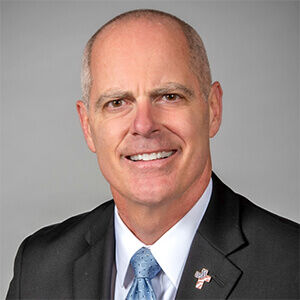
Adam Bird
Incumbent
Biography:
I have 33 years in education as a Teacher, Coach, Principal, and Superintendent. I am currently in my 3rd term as the State Representative in the 63rd House District. I have been Chair of the Education Committee, and currently Chair of the Ohio Retirement Study Council while also serving as the Assistant Majority Floor Leader.
Why are you seeking this office, and what motivates you to serve at this time?
I am seeking this office because I would like the opportunity to continue to serve my community in the state legislature. As a resident of Clermont County since I was very young, I feel that I have a strong connection to the community and the values of southern Ohio.
What professional or personal experiences best prepare you to understand the needs of small businesses and employers in Clermont County?
As a school superintendent, I was required to establish and work with a Business Advisory Council. As a state legislator, I am a member of the Business First Caucus. I have also established relationships with the Ohio Chamber of Commerce and the National Federation of Independent Businesses.
What are your top three policy priorities if elected, and what impact do you expect those policies to have on our region?
I have many bills that have been signed by the Governor and many more that I have introduced. Those are all available for the public to see.
With 10 months to go in my 3rd term, I have many more bills that I am working on getting passed. A list of those bills are all available at my legislative website.
If elected for a 4th term, my priorities would be
- A less complicated public school funding formula.
- Continuing to reform property taxes.
- Ensuring base-line energy production that would keep Ohio from being an importer of electricity.
What do you see as the most significant economic challenges facing Clermont County over the next four years, and how should government respond?
The most significant challenge to Clermont County is ensuring responsible development. Government should respond by making sure that there are checks and balances to the process and by listening to people within the community.
How will you engage with the business community to ensure that taxes, fees, regulatory structures, and public services support long-term economic growth?
I will engage with the business community in the same way that I have in my first 3 terms. I will continue to attend Ohio Chamber events, continue to attend Clermont County Chamber events, and continue to attend Brown County Chamber events. I will continue to engage with business owners at social gatherings, professional development opportunities, and ribbon cuttings. I work hard to be a good listener and communicator with all stakeholders.
Public trust and collaboration are essential in governing. How would you work with colleagues — including those with differing viewpoints — to advance meaningful policy solutions?
I will continue to attend village council meetings, township trustee meetings, and return phone calls/emails. I have worked bills in Columbus with Democrats. I have phone conversations with any constituent regardless of party affiliation.
What state-level reforms do you believe are necessary to improve Ohio’s business climate?
I have been a supporter of the following and will continue to do so:
- lowering income taxes and flattening the income tax.
- creating an energy production climate in Ohio that does not pick winners or losers and allows the free market to play out.
- support the needs of career tech education so that students are being prepared to fulfill the workforce needs of business.
If voters approve the elimination of property taxes, what specific steps would you take in the General Assembly to address the resulting impact on funding for local governments, schools, and essential public services?
Property tax currently represents a combined $24 Billion. That will be VERY difficult to replace. It would require some combination of the following:
- Increase state income tax
- allow counties to levy an income tax
- Increase state sales tax
- allow counties to levy a sales tax
- consolidate taxing authorities like schools, parks, libraries, villages, and townships.
Again this would be extremely challenging.
How do you balance state mandates with local control when it comes to economic development and regulatory policy?
I believe in local control. Decisions are best made at the lowest level possible. However that decision making often has a framework established by the state of Ohio in order to create a climate in Ohio that is attractive for businesses. This kind of climate creation from the state government has led to many businesses coming to Ohio like Nestle Purina, Intel, Honda, Anduril, and Satco.